
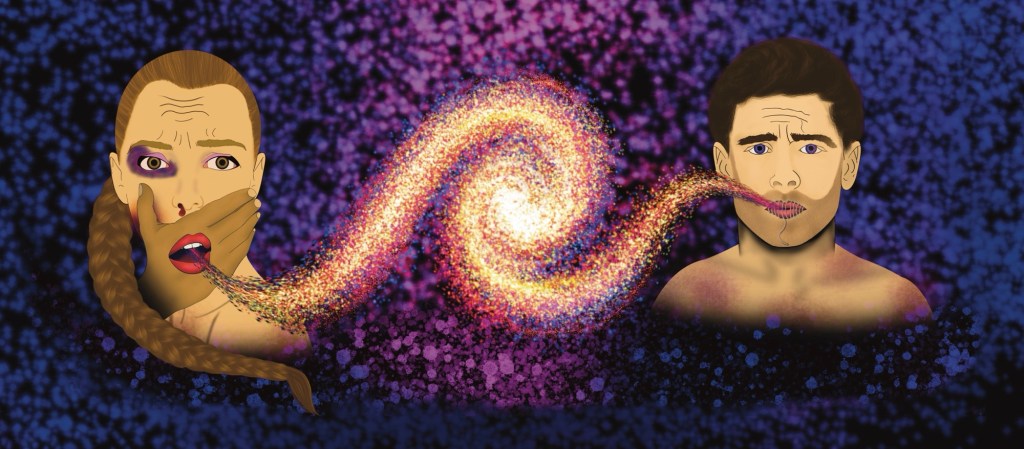
There is a pattern that exists in many abusive relationships.
It begins with someone who knows how to control a room. Someone who understands how to manipulate sympathy, avoid accountability, and shift blame when things go wrong. A person who can present themselves as misunderstood or wounded while quietly creating chaos around them.
People like this often move through life leaving damage behind them. They hurt their families. They strain every relationship they enter. They learn how to take advantage of the empathy of others, especially people who appear patient, compassionate, or vulnerable.
Sometimes they mistake compassion for weakness.
That is where they make a serious miscalculation.
Because occasionally they encounter someone who has already survived more than they realize.
Someone who understands how systems work. Someone who has learned, often through painful experience, that survival sometimes requires boundaries, documentation, and accountability.
This past week, I experienced that moment firsthand.
A man I loved and cared about crossed a line.
What had previously been verbal aggression escalated into intimidation. I was making dinner when he entered the apartment already angry. Words were exchanged and the tension escalated quickly. In a moment of rage, he opened the oven and flung the dish of food across the room, sending it crashing into the wall and floor.
It wasn’t about the food.
It was about control.
He wanted a reaction. He wanted fear.
When that didn’t happen, the intimidation became physical. He moved closer, attempting to use his presence and aggression to force submission.
Eventually, he put his hands on me.
In that moment, my body responded the way survival instincts sometimes do. I pushed him out of the kitchen into the hallway and pinned his arms down against the wall so he could not continue escalating the situation.
It was not calm. It was not graceful. It was a survival moment.
I raised my voice. I made it clear the situation was over. I said things meant to stop the threat and end the confrontation.
Taking responsibility means acknowledging that reaction. I physically restrained him to stop the situation from continuing.
But responsibility also means naming the truth: that moment happened because a line had already been crossed.
Once the confrontation ended, my focus shifted immediately to protection.
I cleaned the kitchen so my son would not be frightened by what had happened in our home. I made sure he felt safe and cared for.
Then I did something many people struggle to do when they still love the person who hurt them.
I asked for help.
Crisis support and law enforcement were contacted. The incident was documented. Boundaries were put in place.
The next morning I went to therapy.
When something this serious happens, it is easy for your mind to minimize it or try to excuse it away. Therapy helped me slow down, process the event, and make sure the decisions I made afterward were grounded in clarity rather than anger.
After I felt stable and clear in my thinking, I reported the incident to the appropriate authority. Because he is under supervision, that meant informing his probation officer and explaining exactly what occurred.
I did not hide my own actions in the report. I explained that I restrained him in the hallway when he escalated physically.
Accountability requires honesty.
The purpose of reporting was not revenge. It was safety and responsibility. Systems exist because situations like this can escalate quickly when no one intervenes.
When someone repeatedly avoids treatment, lies about their behavior, and crosses physical boundaries, accountability eventually becomes unavoidable.
Sometimes people who rely on manipulation believe they can continue their behavior indefinitely. They assume that empathy means someone will continue protecting them from consequences.
But empathy does not mean accepting abuse.
And compassion does not mean abandoning your own safety.
Survivors understand something that abusers often overlook.
Being a victim describes something that happened to you.
Being a survivor describes what you do next.
A victim may stay silent.
A survivor documents the truth.
A victim may absorb the damage.
A survivor sets boundaries.
A victim may be controlled by fear.
A survivor understands that systems exist for a reason and uses them when necessary.
Standing up for yourself is not cruelty. It is survival.
It is possible to care about someone and still refuse to allow violence or intimidation in your home.
It is possible to acknowledge your own reactions while still refusing to carry responsibility for someone else’s choices.
And sometimes the most powerful moment in a survivor’s life is the moment someone who thought they had found another easy target realizes they did not.
They found someone who knows how to survive.

Leave a Reply